Foreword by Councillor Julie Jones-Evans
Earlier this year, the LGA Culture, Tourism and Sport Committee did a deep dive into the physical activity levels of children and young people and produced examples of good practice and resources. Data demonstrates that in 2023/24 fifty-two per cent of children and young people were not doing the recommended 60 minutes of daily physical activity. Being physically active has a wealth of benefits for all children and young people. It improves health, wellbeing and academic performance and opens up social connections and pathways into volunteering, training, and employment.
When we dug deeper into the data, our research showed that care-experienced children and young people including care leavers are a “hidden group”, whose needs and experiences are often overlooked in physical activity policy and provision. This cannot be right. As a vulnerable group, care-experienced children and young people experience a range of social and health inequalities, including poorer educational outcomes, higher rates of special educational needs, poorer mental-health and unemployment upon leaving care.
That is why we are calling on the Government to prioritise care-experienced children and young people in the forthcoming physical activity strategy, and to track their physical activity levels so care-experienced children and young people and care leavers can have access to and benefit from being physically active.
As corporate parents, every councillor and officer has a responsibility to ensure the development, wellbeing and future success of care leavers and children and young people in our care. Supporting care-experienced children and young people to be physically active is an important part of these corporate parenting responsibilities.
But without the right data insights it is difficult to know what works. This is why we commissioned Coram in partnership with Stormbreak to co-produce a guide with care-experienced children young people, care leavers, children’s services, practitioners, and foster carers to help councils and their partners to increase physical activity opportunities for care-experienced children and young people.
I am pleased to be able to share our new guide with you, which includes the views and experiences of care experienced children, young people and care leavers along with good practice examples of how councils are supporting children and young people in their care to be physically active.

Councillor Julie Jones-Evans, Chair of the Culture, Tourism and Sport Committee

Introduction
About the guide
The guide provides information, advice and examples of good practice on how councils and their partners can best support care-experienced children and young people to be physically active.
It is aimed at councillors, council officers, practitioners (such as social workers, staff in residential care homes, and personal advisors), schools and Virtual Schools, and carers (such as foster carers, adopters and kinship carers) and those who support them.
All councillors and council officers are corporate parents and have a responsibility to ensure the development, wellbeing and future success of the children and young people in their care, including care leavers. Supporting care-experienced children and young people to be physically active is an important part of these corporate parenting responsibilities.
This guide includes the views and perspectives of care-experienced children and young people, practitioners, council officers in children’s services teams, and foster carers. It also shares good practice examples from council who are implementing initiatives to support care-experienced children and young people to be physically active.
A Briefing for councillors: Improving Physical Activity Opportunities for Care Experienced Children and Young People has also been produced to support them to champion and join up physical activity opportunities for care experienced children and young people.
The guide has been commissioned by the Local Government Association (LGA) and was written by Coram Impact and Evaluation, in partnership with Coram Voice and Stormbreak.
Defining physical activity
In this guide, we define physical activity as any bodily movement that requires the use of energy. This includes: team and individual sports (such as but not limited to football, cricket or swimming); lifestyle activities (such as but not limited to dance, boxing or yoga); and everyday forms of movement (such as but not limited to walking, cycling, gardening, or household tasks).
Defining care experience
A care-experienced person is anyone who, at any stage in their life and for any length of time, was in the care of someone other than their birth parents. This includes, for example, being looked after by foster carers or kinship carers (such as a family member or friend), in a residential children’s home, or in other arrangements including hospitals, supported accommodation or secure units. Someone who is adopted after being in care is also care experienced.
The term care experienced also includes care leavers – a care leaver is a young person aged 16-25 years old who was previously in care and is now entitled to ongoing support from their council.
For a glossary of terms used in this guide, see here.
Why care-experienced children and young people?
The most recent figures show that in 2024 there were 83,630 children and young people in care in England, including 7,380 Unaccompanied Asylum-Seeking Children (UASC) in care.
These same figures show that in 2024 there were 50,670 care leavers in England aged between 17 and 21 years old (although there is less data available on care leavers between 22 and 25 years old).
As a vulnerable group, care-experienced children and young people experience a range of social and health inequalities, including poorer educational outcomes and higher rates of special educational needs, emotional and mental-health problems, homelessness, and unemployment upon leaving care. Given these challenges, it is particularly important that care-experienced children and young people have access to opportunities for physical activity, which has many proven benefits for children and young people’s positive development and wellbeing.
However, care-experienced children and young people have been described as a ‘hidden group’ in relation to much physical-activity policy and provision, whose needs and experiences are frequently overlooked (see Quarmby 2014).
Indeed, there is currently no specific data available on physical-activity rates among children in care or care leavers, although we do know that physical activity rates among children in the general population are relatively low, with recent findings from the Active Lives survey suggesting that only 47.8 per cent of children are meeting the Chief Medical Officers’ guidelines for physical activity. We also know from a growing body of research that care-experienced children and young people face unique individual and systemic barriers to accessing and engaging in physical activity, which may further reduce participation rates (e.g. Sandford et al 2019, Quarmby et al 2020).
This guide looks at how these barriers can be overcome so that care-experienced children and young people can reap the full range of benefits of physical activity, with the ultimate aim of improving their physical and mental wellbeing.
How was the guide produced?
The guide was co-produced with 55 care-experienced children and young people through a series of focus groups and workshops run by Coram Voice and Stormbreak in April and May 2025. The children and young people in these workshops were aged between 8 and 25 years old and included Unaccompanied Asylum-Seeking (UAS) children and young people.
The guide also draws on two surveys:
- A recent survey of a small group (<20) of care-experienced young people aged 12-25 years old who are part of the A National Voice (ANV) network run by Coram Voice.
- The Bright Spots survey, run by Coram Voice, which has gathered over 30,000 responses over the last 12 years. This survey collects information on the views and experiences of care-experienced children and young people from 4 years to 25 years old.
In addition, the guide has been informed by:
- a review of existing evidence and research, which can be found here
- a call-to-evidence, with responses from 15 councils
- two focus groups with council teams and practitioners, including social workers
- two focus groups with foster carers
- expert advice from a steering group of academics and practitioners working in this field.
The guide is informed by the concept of ‘physical literacy’. In their 2023 Physical Literacy Consensus Statement for England, Sport England describe physical literacy as the “degree to which we have a positive and meaningful relationship with movement and physical activity”. It further states that this relationship is shaped by “factors such as our thoughts, feelings, engagement, and experiences”, including “the people we interact with, the communities we're part of, the culture we experience and the places and spaces we move in”.
Research cited by Sport England suggests that children and young people with high levels of physical literacy are twice as likely to take part regularly in physical activity compared to those with lower levels.
This guide focuses on the wide range of factors that impact care-experienced children and young people’s relationship with physical activity, and sets out recommendations on how this relationship can be supported and improved.
The benefits of physical activity for care-experienced children and young people
A wealth of evidence shows that physical activity has wide-ranging benefits for children and young people, including care-experienced children and young people (for a detailed exploration of this evidence, please see the literature review that accompanies this guide)
Physical activity can improve children and young people’s physical health through enhanced cardiorespiratory fitness, stronger bones and muscles, and weight control. Children and young people who are physically active are less likely to develop long-term health conditions as adults, such as Type 2 diabetes, heart disease, and some cancers.
Physical activity can positively impact the mental health of children and young people by reducing symptoms of anxiety and depression, and improving mood. Evidence suggests it can also boost their cognitive function and academic performance.

In addition, being physically active with other people may help children and young people to build trusting social relationships, and to cultivate a variety of socio-emotional and socio-moral skills and values, such as emotional resilience, leadership skills, and civic participation.
In some cases, engaging in physical activities may also open up opportunities for young people in education, employment, training or volunteering. Through Coram’s research for this guide, care-experienced children and young people described how physical activity has played a vital role in their lives, helping them to navigate difficulties and challenges, and to support their positive growth and development.
In particular, children and young people spoke about the benefits of physical activity for their physical and mental wellbeing: these included helping them to build close bonds with friends and carers, cultivate a sense of belonging, improve their mental health, and support their learning in school, as demonstrated by the following quotes:
For me, it’s my family, my weekend. I spend three times a week training with them, through my football team, I was captain of my school rugby team. Being around people who have the same goals as you, the same humour, it makes you feel like you’re home...I think that is why I fell in love with sports to begin with.”
Care-experienced young person, focus group, 18-25 years
It’s nice to go for a walk, I love walking with my dog…and people are much nicer in nature as well….Being in nature brings you back to reality, nature is healing.”
Care-experienced young person, focus group, 18-25 years
I love climbing, swimming, golf, mountain biking and actually all sports! I am physically active every day. I think schools need to understand the importance of movement every day to help children learn.”
Care-experienced young person, ANV survey, 15-18 years
For some young people, their passion for physical activity and the experiences they have gained through participation in physical activities have influenced their choices around their educational and career trajectories:
[Football] will be my education, hopefully even a career out of it… I’ve never thought about doing anything else. It’s always just been that straightforward plan.”
Care-experienced young person, focus group, 15-18 years
The whole reason I want to go study sports at university in September is to do Physical Education (PE) and the whole reason I got into sports in the first place is because of the PE teacher I had in secondary school when I came into care – it was that lack of judgment, the way he approached sports to every young person, it makes you want to get involved, and I want to do that for the next generation, so I want to go to university to follow in his footsteps.”
Care-experienced young person, focus group, 18-25 years
Embedding choice and trauma-informed practice into physical-activity provision
Research carried out by Coram for this guide shows that choice around the type of physical activity – and the setting in which it occurs – is vitally important for enhancing and sustaining care-experienced children and young people’s engagement with physical activity.
It is crucial that care-experienced children and young people are able to choose from a wide range of activities and settings, and that providers and practitioners take the time to listen to their needs, interests and concerns.
This is particularly important given that many care-experienced children and young people have experienced trauma: this is an emotional response to an event or series of events that an individual experiences as harmful, distressing or life-threatening. Trauma can have long-lasting effects on an individual’s mental, physical, social, emotional or spiritual well-being.
As a result of trauma, some care-experienced children and young people may find that their motivation to participate in physical activity is negatively impacted by poor mental health. Some may experience anxiety and worry in new and unfamiliar settings, and/or in their social relationships with peers and adults. In addition, some care-experienced children and young people may require additional learning and emotional support when participating in group activities and when developing new skills.
Disabilities or long-term health conditions may also prevent or facilitate participation in certain activities due to their impact on children and young people’s physical competences and/or their mental health. For example, research suggests that care-experienced children and young people with a disability are more likely to have difficult experiences in the care system and to struggle with their mental health than those without a disability.
Care experienced children and young people will have multiple and overlapping experiences relating to a range of factors, such as ethnicity, gender, care status and class. Understanding how these relate to an individual’s experience and access to physical activity services, and designing opportunities that address these barriers will enable better access and participation.
The care-experienced children and young people that participated in the research for this guide expressed a wide range of preferences and interests in relation to physical activity – ranging from horse riding to boxing to nature walks. They also had a diverse array of needs and concerns in relation to the physical and social contexts in which physical activity occurs, and they frequently linked these concerns to their experiences prior to and in the care system. This can be demonstrated by the following quotes:
I used to absolutely hate running…then I changed schools, and they asked us what we wanted to do, and we ended up dancing, running to music, making it more entertaining, more engaging, that was important...when everything is going so chaotic in your life, the last thing you want to do is run twelve laps in a field, you actually want something that is going to take your mind off it.”
Care-experienced young person, focus group, 18-25 years
If you play on your own, you get depressed, I would rather play with other people”
Care-experienced young person, focus group, 15-18 years
I prefer to do [physical activity] on my own, other people can be really rough.”
Care-experienced child, focus group, 8-12 years.
Trauma-informed practice
Providing care-experienced children and young people with choice – and listening and responding to their needs and concerns – is a central part of ‘trauma-informed practice’: an approach that has been shown to have numerous benefits for vulnerable young people in relation to physical activity.
Further details on trauma-informed practice are provided in Recommendation 5, although its core principles apply across all the recommendations in this guide. These are outlined in the box above.
Embedding trauma-informed practice in physical-activity provision for care-experienced children and young people
Trauma-informed physical-activity provision for care-experienced children and young people should:
- recognise the long-lasting and wide-ranging impact of trauma on individuals
- create a safe space where children and young people’s needs and concerns are listened to and responded to
- build trust through transparent practices and honest conversations
- ensure children and young people can exercise choice over what they do, when and how
- Take a strengths-based approach which utilises physical activity as a way to enhance children and young people’s existing strengths and coping mechanisms in order to help build resilience.
Trauma-informed practice should be embedded at all levels of physical activity provision, from decisions taken by senior leadership to the work of frontline practitioners and carers.
For more information, see Quarmby et al 2022.
Further details on trauma-informed practice are provided in Recommendation 5, although its core principles apply across all the recommendations in this guide. These are outlined in the box above.
Unaccompanied Asylum-Seeking Children and Young People (UASC)
It is important to note that UASC in care and leaving care can face an additional set of challenges and barriers that affect their relationship with physical activity. UASC are children and young people who are applying for asylum in the UK, who are under 18 at the time of arrival, and who have no parent or guardian with them in the UK. These children and young people are predominately male and older. They account for a growing proportion of those leaving councils’ care.
Many of these children and young people will have limited social support networks in this country, as well as limited English language, which can affect their capacity to take part in physical activities.
Many UASC will benefit from physical-activity provision that allows them to build social networks and to access local faith and cultural communities.
It is important that councils tailor their physical activity provision for these children and young people, taking into account their interests and existing skills. Provision should also be trauma informed and culturally sensitive, and aware of the potential impact of language barriers. Access and inclusion with mainstream activities should be considered where safe, appropriate and feasible to facilitate the building of social networks.
Examples of how councils are supporting care-experienced children and young people to be physically active
The sections below provide examples of positive activities and opportunities that councils across England have found to be successful in supporting care-experienced children and young people to engage in physical activity. These examples are applicable to councils in Wales too.
The first section looks at ways that councils can fund and support individuals to take part in activities of their choosing.
The second section looks at group-based activities and programmes that councils can run specifically for the children and young people in their care.
Funding and supporting individual children and young people
Gym memberships
Many local authorities offer care-experienced children and young people free or subsidised membership to council-run leisure centres within their area. This typically provides access to the gym, to swimming sessions, and to fitness classes.
In addition, some local authorities provide the equivalent amount of funding to allow a child or young person to attend a different non-council-run gym or to pay for a different type of physical activity. This is particularly important if the child or young person does not live near a local leisure centre, which is often the case in larger and more rural local authorities (for more on transport as a barrier to access, see Recommendation 6).

Providing funding for a child or young person to attend a different gym or activity is particularly useful if they are placed out-of-area (i.e. in a different council to the one that is responsible for their care), or if they have a strong preference for a different type of activity.
Many councils also offer leisure-centre memberships to care leavers up to 25 years old. This is important as many care leavers find finances to be a key barrier in accessing physical activity, as demonstrated by the following quotes:
[I would like] going to the gym to…work out and stay fit but I can’t afford the membership payment.”
Care-experienced young person, Bright Spots Survey, 18-25 years
If I could afford a gym membership I would go swimming with my daughter daily.”
Care-experienced young person, Bright Spots Survey, 18-25 years old
Care leavers may also be eligible for discounts to a private gym if council is signed up to the Care Leavers Covenant, a programme designed to connect care leavers with a network of opportunities and support across key areas such as education, employment and wellbeing.
Finally, councils can encourage children and young people to use leisure centres regularly by offering them a ‘plus 1’ membership so that they can attend the leisure centre with a friend (for more on peer support, see Recommendation 5).
Funding individual interests
Many councils provide direct funding for children and young people in care to pursue activities (including physical activities) of their choice, for example by funding dance classes or membership to a sports club. Funding for these activities is typically made on a case-by-case basis and based on children’s Care Plans. Councils can further support participation by ensuring that funding covers associated costs, such as kit, equipment and transport (also see Recommendation 6).
In many cases, however, children and young people’s activities will be paid for by foster carers, through their foster carer allowance.

Given that this allowance has to cover a wide range of expenses, some councils provide foster carers with an additional targeted allowance, specifically for physical activity for the children and young people in their care. They may also provide foster carers with leisure centre access for themselves and all the children they care for, including birth children.
In addition, children and young people may also receive funding for physical activity through their Virtual School. This will depend on whether physical activity is included in their Personal Education Plan (PEP) (for definitions of these terms, please see the glossary of terms).
Finally, many councils offer ‘physical activity grants’ or ‘wellbeing grants’ which provide a child or young person with funds to spend on an activity of their choosing.
As demonstrated by the quote below, grants are particularly helpful as they provide children and young people with the ability to choose a physical activity that is meaningful to them. They also allow children and young people to purchase equipment, such as a bicycle or weights, which enables them to sustain an activity over time.
As a care leaver, a couple of years ago my personal advisor told me that there was a £50 thing for physical activity…I decided to be practical and buy some weights and then I can do weights [everyday] and it won’t cost me every single month, so the fact you could use it for different things, I liked that, and they should do that every year, more frequently.”
Care-experienced young person, focus group, 18-25 years
Corporate Parenting responsibilities and local partnerships
Local authorities may also be able to secure free access to a range of council-owned assets, local organisations and clubs under corporate-parenting responsibilities, such as mini-golf courses, outdoor activity centres, climbing walls, and sports facilities. Many have found it useful to develop partnerships with local community organisations and charities as a way of widening opportunities for children and young people in their care.
For example, some councils have negotiated free access for children and young people to local tourist and leisure attractions to ensure they have regular access to nature and outdoor space.
Some, also work with local organisations and charities that can provide grants for certain activities or free equipment and kit. For example, through bicycle-recycling schemes or football-boot donation schemes.
Practice Examples
- Cornwall Council ‘Funds 4 Care scheme’, run by Carefree, offers individual grants up to £250 to care-experienced children and young people aged 16-21 years old. Grants can be spent on something that will positively impact their life, including sports equipment, bicycles or class fees.
- Plymouth Council offer free gym and swim access for all Care Leavers up to 25 years. For those who live outside Plymouth, an alternative gym is funded up to £20 a month. This has recently been extended to include a ‘plus one’ admission, so that the young person can bring a friend or relative with them. Plymouth Council also offer ‘social and leisure allowances’ up to £250 which can be spent on physical activity.
Running group-based activities for care-experienced children and young people
Many councils offer a range of group activities specifically for care-experienced children and young people. These may be organised by children’s services teams, care-leaver teams or the participation teams who facilitate Children in Care councils (for more information, see glossary of terms).

Activities can be run by practitioners, such as social workers, residential home staff or personal advisors, with a particular interest or experience in an activity. Many councils find this to be a cost-effective way to deliver regular activities.
Examples of these activities include:
- football clubs, on a weekly or monthly basis, with regular competitions with teams from other councils
- ‘wellbeing walks’ or ‘walk and talk’ sessions, with visits to local nature and beauty spots
- social events in nature with a physical activity component, such as sports-day games
- running clubs
- gardening groups.
Many councils – as well as Virtual Schools – also run activities commissioned by external delivery partners with specialist knowledge in running physical activity programmes for care-experienced children and young people and/or children with additional needs.
In some councils, these activities are focused around the natural resources within their local areas, for example hill-walking in rural areas or water-based activities in coastal areas.
Examples of these activities include:
- residential or holiday programmes, with forest school activities or other outdoor activities, such as surfing, kayaking or rock-climbing
- trauma-informed activity classes, such as trauma-informed yoga or trauma-informed dance therapy
- sports-based leadership courses, or resilience-through-movement courses
- Bikeability courses.
Practice Examples
- Wandsworth Children Living in Care Kouncil run a sports day annually for children and young people in care, including a range of games and activities.
- Leeds City Council run the Archway Boxing Project: this involves trauma-informed fitness and boxing sessions for care leavers aimed at teaching non-contact boxing for health, fitness, discipline, confidence, and to improve mental wellbeing. Separate sessions are run for female care–leavers, on their request, to ensure sensitivity to their cultural and religious needs. Over 75 young people have registered with the project, and many have gone on to complete awards in boxing, and gain qualifications so that they can lead sessions for others. Read more on this project here. You can also watch this video and this video.
- Calderdale Council offer monthly ‘Walk and Talk’ trips for care-leavers that include day trips to local beauty spots and tourist attractions, with food and travel included. These provide opportunities for young people to be physically active, and to build social connections and bonds with others. Calderdale worked with various partners to provide training to their staff in hill walking and first add, and to secure a grant so that their young people can purchase equipment such as boots, waterproofs and backpacks. Read more on this project here.
- Milton Keynes City Council Football Club for Unaccompanied Asylum-Seeking Children and Young People (UASC) run a weekly football session for UAS care-leavers. It is run by a Personal Advisor and held in a centrally-located venue with good transport links. In addition to promoting physical activity, the group provides young people with opportunities to practise their English and to connect with other young people for important social and practical support. The team hold regular matches with other UAS football teams. The group are also currently exploring the possibility of building connections with local professional and semi-professional football clubs to provide progression and training routes for the children and young people. They are also working to create a boot donation scheme.
- North Yorkshire Council, have worked with the charity North Yorkshire Sport over a number of years on a range of school and community focussed interventions supporting care-experienced young people to use movement, activity and sport to build their confidence, self-esteem and resilience. They regularly use athlete mentors to build positive relationships with young people, to share their story of overcoming adversity and to provide tools and methods to help deal with challenges in their lives.
- East Riding Council ran a series of ‘Street Sessions’ for care leavers, including workshops focused on mindfulness, confidence building and preparing for work, as well as cooking lessons and a walk-and-talk activity. Some of the immediate outcomes included one young person moving into paid work and five more finding education or training opportunities. Some of the unexpected outcomes included five UASC young people who reported that the sessions helped them improve their English while the chance to interact with other care leavers helped the group to bond and understand each other’s interests better, including a shared love of football.
Summary: Examples of how councils can support care-experienced children and young people to be physically active
- Supporting individuals
- Free or subsidised membership to leisure centres with access to gym, swimming and activity classes.
- Equivalent funding if the child or young person cannot access a leisure centre.
- Equivalent funding if the child or young person has a strong preference for a different type of physical activity.
- ‘Plus 1’ membership so that a child or young person can attend with a friend or carer.
- Free or subsidised membership for carers and their families.
- Individual funding and support for children and young people to attend physical activity classes or clubs, as part of their Care Plans or Personal Education Plans (PEP).
- Targeted physical activity allowance for foster carers.
- Annual ‘physical activity grants’ or ‘wellbeing grants’ to allow young people to buy classes, equipment or kit.
- Partnerships with charities, schools and Virtual Schools, and local organisations:
- Provide free or subsidised equipment and kit, such as bicycles or football boots.
- Free access to tourist and leisure attractions.
Group-based activities
- Football clubs, on a weekly or monthly basis, with regular competitions with teams from other councils.
- Well-being walks’ or ‘walk and talk’ sessions, with visits to local nature and beauty spots.
- Social events in nature with a physical activity component, such as sports-day games.
- Regular clubs such as running clubs and gardening groups.
- Residential or holiday programmes, with forest school activities or other outdoor activities, such as surfing, kayaking or rock-climbing.
- Trauma-informed activity classes, such as trauma-informed yoga or trauma-informed dance therapy.
- Sports-based leadership courses, or resilience-through-movement courses.
- Access to Bikeability courses.
Recommendations on good practice
The sections below detail recommendations and advice on how best to facilitate and support care-experienced children and young people to be physically active.
The recommendations are based on the perspectives and experiences of care-experienced children and young people, foster carers, practitioners council teams, as well as wider research and evidence on this topic (see the accompanying rapid evidence review for further information).
Recommendation 1: Supporting carers to be role models and champions
Carers play a key role in supporting care-experienced children and young people to be physically active. Carers could include foster carers, adopters, kinship carers and special guardians (for more information, see glossary of terms).Carers are often responsible for researching and scheduling activities, arranging transport and equipment, and ensuring fees are paid. Managing these different tasks can be very time intensive, particularly for carers with responsibilities for multiple children or if these children have additional needs.
Carers provide vital emotional support and encouragement to care-experienced children and young people. Many of the care-experienced children and young people that participated in the research for this guide said that they benefitted greatly from trusted adults attending activities or clubs with them, encouraging them to try something new or to continue attending existing activities, and celebrating their achievements.
I said [to my carers] I wanna do horse-riding. At my next birthday I got horse riding lessons and now I’ve been riding for the past five years.”
Care-experienced young person, focus group, 15-18 years
In addition, carers can champion physical activity by embedding it into their household routines and leisure time, and by modelling an active lifestyle through their own habits and interests. For example, many carers walk with children to school and do activities such as running, bicycling, and swimming with children at the weekend.
Doing physical activities together can also create positive bonding experiences between children and their carers and/or foster families.
Since I was 10 I have been cycling, it was my safe thing that I enjoyed. Going into care, I was very lucky that my foster carers had a bike, they offered for me to use it to get to school and they helped me fix it up, which was a nice bonding experience very early on and being able to cycle was something that brought a lot of joy back – freedom and things.”
Care-experienced young person, focus group, 18-25 years
Carers are more likely to act as champions of physical activity if they receive adequate support. This could mean financial support, such as a free leisure-centre membership for the whole family, or a targeted allowance to support physical activities for the children and young people they care for.
Providing access to leisure centres to entire families can ensure equal access for all the children within a family, including birth children, which can enable the family to attend more frequently.
Social support is also important: for example, many carers benefit from being part of a wider network of carers who can provide additional encouragement to children and young people to engage in physical activity, and who can help facilitate events and activities. Many councils create this network through participating in the Mockingbird project, while others have created their own foster carer networks.
The [Mockingbird] network we have… we're all looking after each other's children. We all know each other's children. They all know us. We have hugs and kisses goodbye… We do activities all the time and we're out trying to do exercise, and going to the woods and building dens.”
Foster Carer, focus group.
Finally, the foster carers who took part in the focus groups for this research reported that they have also benefitted from support in improving their own relationship with physical activity, through bespoke resources and training programmes, such as those offered by organisations like Stormbreak (see the ‘Practice Examples’ below).
Indeed, there is some research to suggest that foster carers may be more likely to be overweight and obese than the general population and that they may not regularly engage in physical activity themselves or see the value in such activities. We also know that foster carers are more likely to be older, with the majority of foster carers being 50 years or older. Recent data from the Active Lives survey shows that activity levels in adults aged 55-74 are 63 per cent compared to adults aged 16–34 years old whose activity levels are 70 per cent.
Research on special guardians who are primarily kinship carers, also shows that these groups are significantly more likely to be overweight or obese and to experience medical problems than the general population. This may be related to the fact that many special guardians are grandparents, although we cannot be certain given that limited data is collected by the Government on the demographics of special guardians.
Good practice advice:
For councils and fostering agencies:
- Consider providing free or subsidised passes to leisure centres for carers and all the children they care for. This allows them to attend the gym, swimming and classes with their children. This approach can also help to deliver on council and Government priorities to tackle health inequalities and drive up physical activity rates.
- Consider a targeted allowance for carers to spend specifically on physical activities for the children in their care.
- Consider ways to ensure that carers have access to a wider network of carers, for example by creating these networks within the council, or by joining programmes such as the Mockingbird Project.
- Consider providing networks of carers with resources and funding to run regular social events with physical activity components, and/or signposting networks to potential funding sources and providing support and training with the application process.
Practice Examples
- Stormbreak run therapeutic training sessions with foster carers exploring physical activity, different movement types and the benefits of movement on mental and physical health. Each stormbreak activity combines mentally healthy movement with conversations about resilience, relationships, self-care, self-worth and hope and optimism. For more information, see here.
- Staffordshire and Stoke Virtual School, in partnership with Together Active, organises inclusive events at various outdoor activity centers for care-experienced children, young people, their families, and carers. These activities also include opportunities for post-16 care leavers to develop leadership skills. Together Active have found through their work that including families and carers in these events helps to encourage families to make movement a regular part of their routines. The activities culminate in an end-of-year celebration to recognise the achievements and successes from throughout the year.
- Hampshire Hive project brings foster carers together into small hubs for mutual support. In addition to offering advice and support to carers, this network runs regular social events for carers, which can include physical-activity components.
- The Mockingbird project aims to create the structure and support of an extended family for foster carers. Many of the foster carers and councils that participated in the research for this guide reported that their Mockingbird networks frequently organised physical activities as part of their regular social activities.
Recommendation 2: Enabling professionals to support children and young people to be physically active
Professionals – such as social workers, residential home managers and keyworkers, and personal advisors – can play an equally important role to carers in supporting children and young people to be physically active. As demonstrated in the quotes below, many children and young people described in the research how having a trusted professional attend their activities, clubs or competitions increased their confidence and motivation, and prevented feelings of social isolation and exclusion.
It can also be helpful for professionals to participate in physical activities alongside children and young people, where possible. This can support children and young people to overcome anxieties about participation. This may be particularly appropriate in a residential setting where activities are run within the home.
[It would help if] a youth worker or personal advisor attend [the gym] with us until we know what we are doing and confidence like for support sessions every month, to help me get confidence.”
Care-experienced young person, focus group, 18-25 years
It was the football thing that got to me the most, because I would come to do a game, I would see everyone’s parents there, everyone’s siblings there, I had to just stand there on my own. At the end of the game, when everyone is walking out, I would walk out on my own.”
Care-experienced young person, focus group, 18-25 years
My PA [personal advisor] takes my dog out with me, it’s little things like that [that matter]… It’s about getting to know these young people: go up and join them, go and watch them, it might not mean anything to you, but for them it might mean the world.”
Care-experienced young person, focus group, 18-25 years
Engaging in enjoyable or recreational physical activities together can also be a good way to build up trust and rapport with a child or young person, and to facilitate open conversations.
I never really got on with my keyworker but after about 6 months of being [in residential care], we both realised we had a common interest, we liked going out walking, so for our keyworking sessions we used to go and get the bus, and go into the middle of nowhere and just go for a massive walk, and we would do our session on the go. So [it’s helpful] having a worker that is able to adapt and get on a level with you, and find ways that work for you.”Care-experienced young person, focus group, 18-25 years
When professionals attend activities with a child or young person, they can also share information about that child or young person’s strengths, interests and needs with the teachers or leaders of the activity. This can help ensure a supportive and safe environment for that child or young person, which is a key part of trauma-informed practice (see Recommendation five).
It is important that this information is shared with teachers in schools, physical activity coaches or activity leaders in a confidential and sensitive manner, and that permission is obtained from the child or young person first. This is because children and young people can find it distressing and stigmatising if their care status is revealed without their permission, or if they are singled out due to their care status.
For example, for the research for this guide, children and young people described how professionals should remove lanyards when attending activities or events, and that they should discuss with the child or young person first how they should refer to themselves.
Support workers … always wear a lanyard, I used to hate it…when it is very clear that your lanyard says ‘social care, looked after care’ it brings a sense of ‘this person is not normal anyway’ so if they are going to activities, remove that lanyard."Care-experienced young person, focus group, 18-25 years
When I go to football, they point out in front of everyone that I am in care.”
Care-experienced young person, Bright Spots Survey, 11-18 years
For many professionals, attending or running activities for children and young people can mean working after-hours, or travelling long distances, especially if the child or young person lives in a rural area or is placed out-of-area. This can be challenging for professionals given their often heavy workloads and extensive responsibilities.
Good practice advice:
For children services teams and professionals:
- Consider options to embed protected time into work practices to enable professionals such as social workers and personal advisors sufficient time and resources to attend activities regularly with children and young people.
- Consider flexible working arrangements to enable professionals to attend after-hours activities.
- Run physical activities that allow professionals to take part alongside children and young people, especially in residential settings, where feasible.
- Consider ways of embedding physical activity, such as walking or attending a regular club, into professionals regular sessions with children and young people.
- Seek permission from a child or young person before revealing their care status to others.
- Discuss with the child or young person how a professional should refer to themselves in front of others, and what information can be shared.
Practice Examples
Oldham Council set up a range of activities aimed at improving care leavers trust in their workers. These included hill-walking trips and a Thai Boxing group. Oldham found that these activities were very popular among their young people and helped to build trust and rapport between care leavers and their workers.
Recommendation 3: Including physical activity in family/contact time
Some children and young people in care have regular family time (sometimes called ‘contact’ time) where they have the opportunity to spend time with immediate and extended family members, and with friends. This time may be supervised or unsupervised and may or may not be a requirement of a court order, depending on individual circumstances.
For some children and young people, family time can invoke difficult emotions before, during or afterwards. Organising family/contact time around a physical activity may be helpful as a way to provide a focus and structure to this time, and potentially to relieve some anxiety or distress for the child or young person. For example, family members could spend time together doing a physical activity such as playing a sport or going for a walk, or they could watch a child or young person take part in one of their regular activities, where possible.
Encouraging family members to attend a regular activity with a child or young person, as part of their scheduled family/contact time, can also support carers and/or professionals, who are often responsible for transporting multiple children to different activities at similar times. It also ensures that requirements around family time do not prevent a child or young person from attending their regular activities due to scheduling clashes, which some children and young people find difficult. The following quotes demonstrate this:
I would like to have less contact [time] so that I can [go] to football more often after school.”
Care-experienced child, Bright Spots Survey, 4-7 years
I would rather go to my clubs after school than have contact. I like going to contact [only when] when we have no clubs after school.”
Care-experienced child, Bright Spots Survey, 11-18 years
So a lot of foster carers have more than one foster child. They normally have birth children as well. So the other [barrier] we've got is time. If these children are still in care proceedings, they are seeing their parents so much… and my evenings are already booked out with other children, so that leaves them only one evening to do an activity.”
Foster Carer, focus group
Good practice advice
For children’s services teams:
- Consider options for including physical activities in family/contact time, such as walking or bicycling, or playing sports together.
- Consider options for family members to attend a child or young person’s regular activities as part of family/contact time.
Recommendation 4: Promoting continuity in access to physical activity for care-experienced children and young people
As demonstrated by the below quotes, transitioning into care can be a difficult and stressful experience for children and young people. Many of these individuals will go on to experience further instability due to frequent moves in placements, schools, or social workers. Such changes often result in children and young people no longer being able to access the physical activities from which they have previously benefitted.
Discontinuities in access to physical activity may occur because a child or young person has moved to a different locality or educational setting where the activity is not available, or because their new carers do not support the activity, either in terms of logistics (travel, scheduling) or finances. In some cases, it may be because local authorities can no longer fund an activity or that there are safeguarding risks, or because social workers do not pass on relevant information about a child or young person to their new carers or support workers.
Discontinuities in access to physical activity may occur because a child or young person has moved to a different locality or educational setting where the activity is not available, or because their new carers do not support the activity, either in terms of logistics (travel, scheduling) or finances. In some cases, it may be because of council budgetary pressures or that there are safeguarding risks, or because social workers do not pass on relevant information about a child or young person to their new carers or support workers.
Discontinuity can also arise because transitions in and out of care – and experiences of instability whilst in care – can affect the motivation of children and young people to engage in physical activity. This can be due to stress or due to the loss of trusted people and familiar settings for physical activity.
I’ve always been a dancer but when I moved that all stopped for me…and they wouldn’t allow me to go back into it, it is very hard when you are constantly moving because you don’t feel like you belong, and when social services refuse to allow you to continue to do dance, that is when it causes issues because why are we stopping children doing something they want to do.”Care-experienced young person, focus group, 18-25 years old
I used to enjoy horse riding and swimming…In my previous foster placement, they stopped all of my activities that I was progressing in (horse riding and swimming).”
Care-experienced young person, 18-25 years old, Bright Spots Survey
There is so much of a transition when you are going into care, at least for me, [physical activity] wasn’t on my radar at all. But then I think with a bit of time, you warm up to the idea, you are more open to the things that can happen.”
Care-experienced young person, focus group, 18-25 years old
I was allowed to go riding before but now it’s just stopped and that has made me feel frustrated and fed up. I feel a lot better when I can go and be around horses. It’s like a therapy.”
Care-experienced young person, Bright Spots Survey, 11-18 years old
Social workers, staff in residential care homes, and carers play an important role in enabling children and young people to continue to be physically active, despite the changes in their lives.
Carers and social workers should look for opportunities for continuity in a child or young person’s life. For example, if a child or young person has moved placements but has not moved schools or localities, they should be facilitated to continue to attend their chosen physical activities – including extra-curricular sport within school. If a child or young person is currently on a waiting-list for an activity, this information should be passed onto their new placement via their social worker.
Social workers can ensure this continuity by including a child or young person’s existing activities, and their preferences and interests around physical activity, in their Care Plans. Council children’s services teams may wish to consider adding a section on physical activity to their care plan templates to ensure this information is recorded.
They can also consider amendments to existing templates to ensure that information on preferences and experiences around physical activity are included in children and young people’s Personal Education Plans (PEPs), Health Assessments and Health Plans, and Children in Care Reviews (for more information, see glossary of terms).
To enhance accountability, councils may also wish to expand the role of the Independent Reviewing Officer (IRO) in ensuring that recommendations around physical activity in a child or young person’s care plan have been met.
Supporting care leavers
Evidence suggests that physical activity is associated with benefits for care leavers: for example, in the Bright Spots survey, care leavers who liked exercise or doing sports also reported that they had a greater sense that ‘life was worthwhile’ and that they ‘felt happier yesterday’ compared with care leavers that did not like exercising or doing sports in their spare time. Care leavers who liked exercise and doing sports also reported feeling ‘less anxious yesterday’ compared with care leavers who did not like exercising or doing sports in their spare time. While there may be several factors at play here, these findings underline the importance of physical activity for care leavers.
However, when young people leave care, it can be challenging for them to continue activities that they have previously enjoyed as they transition to independent living and have to cover their own expenses. As demonstrated below, not being able to afford activities can be a significant barrier for care leavers to remain physically active
I used to be able to play sport like netball and athletics. As soon as I left care, I had to stop because I could not afford travel to the facilities... I haven't been able to continue the sports I loved doing.”
Care-experienced young person, Bright Spots Survey, 18-25 years old
I guess I wish I was happier. I used to go to a trampoline park when I was younger and I guess getting out more… But I'm on benefits, so I can’t really afford it.”
Care-experienced young person, Bright Spots Survey, 18-25 years
It is easier for children in care to get into exercise than care leavers…When you become a care-leaver, you are no longer supported financially, so you’re paying to do those sports out of your own pocket, and it’s not cheap.”
Care-experienced young person, focus group, 18-25 years
The previous section provides ideas of the types of opportunities that councils can offer care leavers to encourage them to remain physically active.
Personal advisors and social workers can support care leavers by ensuring that physical activity recommendations are included in their Pathway Plans (their plan for transitioning to independent living). Personal advisors can also provide information on the opportunities available to care leavers and provide emotional and practical support to encourage young people to engage with them.
Working with local providers
In our focus groups, foster cares told us that it can be challenging to find suitable activities for the children and young people in their care, especially due to long waiting lists for clubs and activities.
It can also be difficult for foster carers when clubs and activities require deposits or up-front payment for multiple sessions at once without money-back guarantees, especially if children and young people are only staying with them for short periods of time. Also, children and young people who have experienced trauma may be more likely to discontinue activities if they do not feel comfortable in the setting, or if the leaders of the activity do not understand how best to support them. This can make some carers reluctant to sign up a child or young person to a new activity.
For example,
We usually have had to pay up front a year's membership for [clubs] and after a few weeks [the children] have decided they didn't want to do that and you lose the [money]…but that soon works out a lot of money when you've got three or four children to then just lose that.”
Foster Carer, focus group
We do emergency short-term care so children can be with us anything between a day to two years. The problem I have is if they wanted to try something, you just can’t get them in… there’s [always] a waiting list, it might be six months.…And it’s really hard to get people to understand why they should jump the list.”
Foster Carer, focus Group
Foster carers told us that they can find it helpful to build relationships with local physical-activity providers who are willing to give priority to care-experienced children and young people on waiting lists and to provide taster sessions and more flexible payment options.
The foster carers that we spoke to recommended that councils provide a directory of local physical activity providers who offer this flexibility, which can be accessed by carers, social workers, personal advisors and managers in residential homes.
Good practice advice
For councils, schools and Virtual Schools, and professionals:
- Facilitate children and young people to continue to attend their regular activities wherever possible during periods of instability.
- Ensure that templates for key planning and review documents include sections on physical activity. These include: Care Plans, Personal Education Plans (PEPs), Health Assessments, Children in Care Reviews, and Pathway Plans for care leavers.
- Empower Independent Reviewing Officers (IROs) to ensure that recommendations around physical activity are met.
- Build relationships with local providers of physical activity who offer taster sessions, flexible payment options and who will prioritise care-experienced children and young people on waiting lists. Councils may also wish to consider this as part of their contracts with local leisure providers.
- Create a directory for carers of local providers who offer taster sessions, flexible payment options and priority on waiting lists.
- Consider options for continued financial support for care leavers to be physically active.
- Ensure personal advisors have up-to-date information on opportunities available to care-leavers in their local area.
For physical activity providers:
• Consider offering care-experienced children and young people taster sessions, flexible payment options and priority on waiting lists.
Recommendation 5: Embedding trauma-informed practice into physical activity provision
It is important that care-experienced children and young people feel physically and emotionally safe when engaging in physical activity. Many care-experienced children and young people have experienced trauma, which can affect a child or young person’s motivation and confidence around physical activity. For example, some care-experienced children and young people told us that they can experience anxiety in social contexts, especially in new or unfamiliar settings. They can also worry about experiencing harassment or abuse from others during physical activity, or about peer-led selection processes for teams or group activities that leave them feeling excluded or socially isolated.
For some care-experienced children and young people, competitive behaviours by others and physical-contact activities can trigger memories or feelings of past negative experiences, such as physical abuse. Care-experienced children and young people may also have concerns around their physical bodies, for example they may have a negative body image and/or be anxious about other people viewing or observing their body. These concerns can be demonstrated by the following quotes:
I’d love to be able to do something like tennis, I used to do lots of climbing too. What stops me is the fear of being perceived, I’m anxious in group settings and always feel watched and conscious I may do something wrong and be laughed at... Also, going to a gym as a woman feels quite daunting, I would be more inclined to go if there were women-only gyms and spaces.”
Care-experienced young person, ANV Survey, 18-25 years
Because of my experiences growing up, I don’t do people, I am not a people person, so going to the gym [alone] would be ideal for me.”
Care-experienced young person, focus group, 18-25 years
I literally won’t do [PE] because in sport I got a bunch of bullies… and I couldn’t really do it because I felt really scared that people were gonna judge me. And, like, then I would get told off because I’m not doing it, but the teacher clearly knows that they are in the room, but they just don’t care.”
Care-experienced young person, focus group, 12-18 years
[If I could change one thing] it would be to feel more confident and safe in group settings, so I could fully let go and not feel so self conscious.”
Care-experienced young person, ANV survey, 18-25 years
In order to create a safe and supportive environment for children and young people to be physically active, it is important that providers and practitioners adopt a trauma-informed approach to physical activity (see above for a definition).Councils can support providers and practitioners to become trauma-informed by providing or signposting them to training programmes and by making toolkits available to them.
Peer support
Trauma-informed practice recognises the importance of peer support as a way to help children and young people to feel safe and supported. Councils can consider ways to embed peer support into physical activity provision. This can help children and young people to try something new, feel supported and make them more likely to sustain their engagement with physical activities over the long-term.
[If I could change one thing] it would be to feel more confident and safe in group settings, so I could fully let go and not feel so self conscious."
Care-experienced young person, ANV survey, 18-25 years
I wish I could participate in group activities and clubs… but I feel too socially anxious to try and have no friends that could support me.”
Care-experienced young person, Bright Spots Survey, 18-25 years old
I like go karting, going to the gym and boxing. Sometimes my depression prevents me from staying committed.”
Care-experienced young person, Bright Spots Survey, 18-25 years old
Good practice advice
For councils:
- Promote understanding of the importance of trauma-informed practice among both leadership and practitioners in councils.
- Ensure that physical-activity providers commissioned by the council are trained in trauma-informed practice.
- Provide local physical-activity providers with opportunities to improve their understanding of trauma-informed practice, for example through training or toolkits.
For physical-activity providers:
- Train staff in trauma-informed practice.
- Consider embedding peer-support (such as ‘buddy schemes’ or peer mentoring’) into physical activity sessions.
Practice Examples
Stormbreak and BCP Council co-created a set of physical activity videos, written, directed and presented by care experienced children aged 10 to 17 yrs. These resources are designed to be used by foster families and professionals with primary school aged children with care experience, to encourage physical activity alongside mentally healthy conversation and delivered by their peers.
Smash Life run trauma-informed mentoring sessions for care-experienced children and young people aged 8 years and over, using physical activity and sports to engage children and young people.
Coventry City Council offer children and young people in their care trauma-informed dance workshops through CaretoDance. Care to Dance is a social enterprise, led by qualified social workers and dancers, that supports hundreds of care-experienced young people across England through trauma-informed dance communities. They aim to give these young people a sense of belonging, freedom and connection: a space where they feel safe, supported and can develop relationships built on trust. In addition to dance sessions, they offer dance leadership qualifications and wider skill development, including ambassador roles and paid opportunities. For more information, see here.
Recommendation 6: Minimising financial and logistical barriers to access
Care-experienced children and young people often require financial support in order to engage in the physical activity of their choice. For example, they may have to pay club memberships or class fees, or purchase specialist equipment or kit.
Children and young people may also need to be transported to an activity, or for the cost of this transport to be covered.
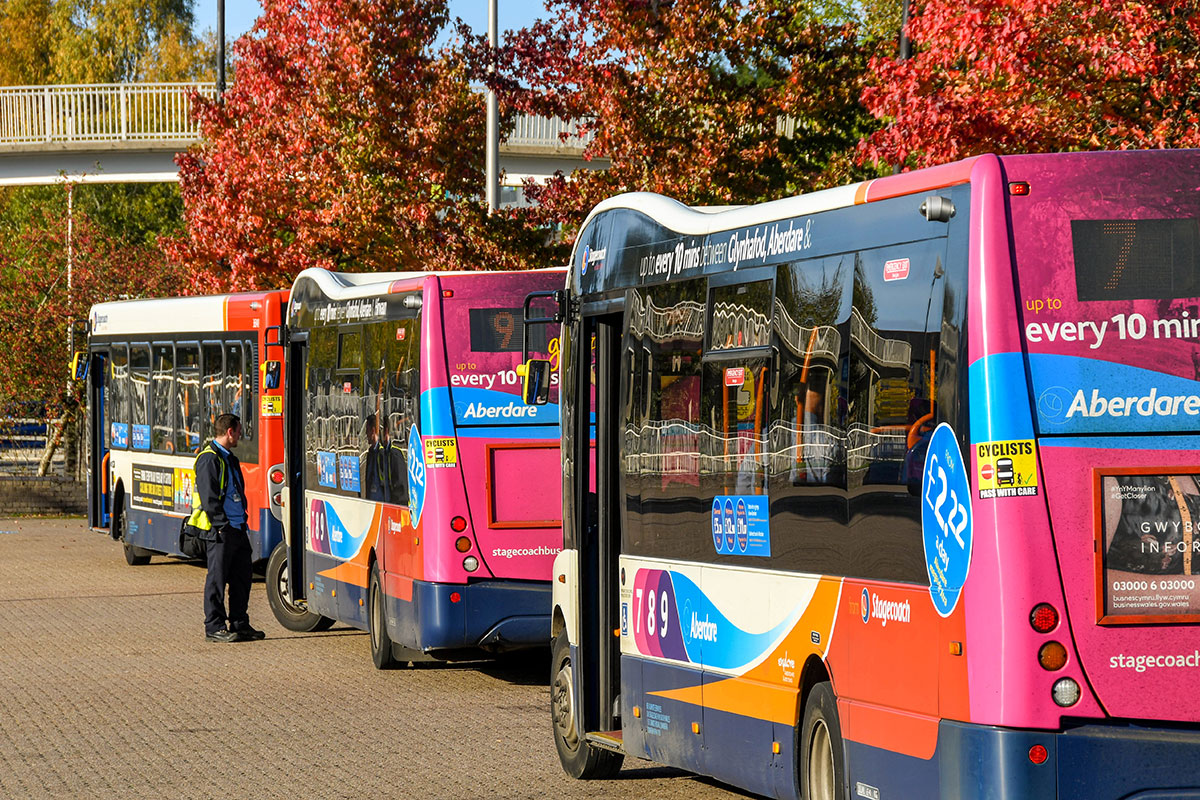
Many councils fund children and young people’s activities, including transport and kit, on an individual basis, based on their care plans. Foster carers may also use their foster-carer allowance to cover these costs.
Being unable to afford the right equipment and kit can be a barrier to participation for children and young people. For example, some children and young people told us that not having the right equipment or kit led to them feeling embarrassed or marginalised, which reduced their motivation to participate in the activity.
There’s videos on youtube of us at drama school and you can tell who is the odd one out, because I wasn’t allowed the new jacket, because I had to pay for it myself and I didn’t have like thirty quid, so I was in the old fleece, I can’t look back at those videos without feeling like the odd one out.”
Care-experienced young person, focus group, 18-25 years
Councils can also consider ‘physical activity grants’ to help children and young people to buy kit and equipment. They can also work with local organisations and charities to improve access to kit and equipment, including PE kit in schools (for more information, see above).
Transport barriers
Transport to activities can be a significant barrier to participation, particularly in rural areas where travel to an activity may be unavailable, lengthy and/or costly. Facilitating transport can really help children and young people to engage in the physical activity of their choice, as demonstrated by the following quote:
Every time I have needed to go somewhere [for sport] it's always been facilitated. Obviously when I start my [football] academy, that’ll be supported. That's the other side of [the county].”
Care-experienced young person, focus group, 12-18 years old
Children who are placed out-of-area may be unable to access opportunities available to them due to lengthy travel times. However, they may be able to access services provided by the council in which they reside, at the discretion of this council.
Council may wish to consider building partnerships with other councils in order to negotiate access for their children and young people who are placed out-of-area. They could also consider offering the same access to children and young people from other councils who are placed in their council, as an example of good practice. This might be particularly relevant for neighbouring council, and for combined authorities.
Good practice advice
For councils:
- Ensure that funding for activities considers the costs for transport, kit and equipment.
- Consider annual ‘physical activity grants’ or ‘wellbeing grants’ that allow children and young people to purchase kit and equipment.
- Explore partnerships with local organisations and charities that can provide second-hand equipment, such as recycled bicycles or football boots.
- Consider options for providing care-experienced children and young people with free passes for public transport.
- Build partnerships with other councils to secure access for children and young people who are placed out-of-area.
Practice Examples
- Wandsworth Council offer monthly wellbeing grants for care leavers as well as an annual positive experience grant, which can be spent on physical activity provision.
Recommendation 7: Reviewing sign-off and consent processes
Children and young people in care will often need to obtain consent from an adult before taking part in many physical activities. Consent is usually obtained from a child or young person’s social worker. In some cases, carers are allowed to provide consent on behalf of the council – this is called delegated authority.
Children and young people in care will typically also need consent to take part in activities associated with physical activity, such as travel and overnight stays for sports competitions, or residential holidays programmes. These sign-off processes can, in some instances, present a barrier to participation for children and young people. For example, consent may not be given because social workers are unable to ensure that safeguarding standards will be met. Children and young people can find this difficult and frustrating, especially when their peers who are not in care are allowed to attend.
[It would be better] not having to ask social to do everything. I want to do like my friend asked me to go horse-riding with him at the weekend but I need social permission to go”.
Care-experienced young person, Bright Spots Survey, 11-18 years
Gaining consent to take part in activities can sometimes take a long time, especially if a social worker is away or if the request is escalated to a team manager. For example, some children and young people told us that they had missed out on opportunities for residential programmes and competitions because consent had not been gained in time. In addition, foster carers told us that it was not always clear which activities they were allowed to sign off, and which activities required consent from a social worker.
Councils can help by reviewing and, where possible, streamlining their consent and sign-off processes for physical activity, and by considering expanding delegated authority for carers, wherever possible. Councils may also wish to consider providing carers and practitioners with appropriate training (for example, specialist first-aid or health and safety training) to allow them to run physical activities for children and young people in their care. For example, we spoke to foster families in our research who had been unable to do preferred family activities (such as hill-walking or camping) with their foster children because they had insufficient training to meet safeguarding standards. A lack of appropriate training may be a particular barrier for families who care for children with additional needs.
Good practice advice
For councils:
- Review policies on delegated authority for foster carers and consider ways to enhance foster carers’ decision-making authority around physical activity.
- Ensure foster carers are clear which activities require consent from a social worker, and which do not.
- Provide carers with a list of routine and/or low-risk activities that are pre-approved.
- Consider additional training for foster carers to allow them to include children and young people in physical activities that would otherwise not be approved because of safeguarding concerns.
Recommendation 8: Ensuring up-to-date communication of opportunities
Care-experienced children and young people will often rely on their carers, social workers, keyworkers, personal advisors or teachers to inform them about available opportunities for physical activity.
Some local authorities find it helpful to have an up-to-date website page that lists all available opportunities, and to ensure that foster carers and professionals have access to this page.
Carers may find it particularly helpful to have access to a directory of local providers that are trauma-informed and that offer taster sessions, flexible payment options, and priority to care-experienced children and young people on waiting lists (also see Recommendation 4).
Sharing these directories with other councils and local schools– and requesting similar lists in return – can assist councils in providing opportunities for children and young people who are placed out-of-area. Some lcouncils find it helpful to use social media and/or opt-in groups on messaging apps to communicate information about upcoming opportunities, both to children and young people, and to networks of carers.
Practice Examples
Sheffield Council run a ‘Just Do It’ event which showcases local opportunities to get involved in activities, sports, hobbies, and groups. So far, 200 children and carers have attended and 40 local organisations been involved. Feedback from both carers and young people has been very positive.
Good practice advice
For councils:
- Ensure easy access to lists of up-to-date opportunities for carers and professionals, for example through a dedicated webpage.
- Consider using social media and opt-in groups on messaging apps to promote opportunities to children and young people, and their foster carers.
- Create a directory of local providers that are trauma-informed and that offer taster sessions, flexible payment options, and priority to care-experienced children and young people on waiting lists.
- Build partnerships with other councils to ensure sharing of opportunities and directories of local providers to support children and young people who are placed out-of-area.
Recommendation 9: Developing monitoring and accountability around physical activity
At the beginning of the guide, we talked about how care-experienced children and young people are often described as a ‘hidden group’ whose needs and experiences are frequently overlooked in physical activity policy and provision. Yet, being physically active can positively affect a wide range of outcomes including improved physical health, mental wellbeing, decreased likelihood of developing long-term health conditions in adulthood. Boosting cognitive functioning, academic performance and building trusting social relationships, resilience, leadership skills and potential training, volunteer and career pathways. However, the lack of focus on improving physical activity levels of care-experienced children and young people and care leavers means this group is missing out on a wealth of wider outcomes.
Addressing this requires the Government to prioritise care-experienced children and young people and care leavers. Currently, no national data is collected on the physical activity rates of care-experienced children and young people so councils and the Government does not have an understanding of how physically active this group is and therefore cannot effectively target resources. Nor do they understand the barriers and challenges facing them and the effective strategies required to increase participation and retention rates. High quality research and the right datasets are critical to improving outcomes for care-experienced children and young people.
Organisations like Sport England, the Department for Education and the Department for Culture, Media and Sport should urgently address this by expanding their existing data collections to include and track both physical activity levels and experiences of care-experienced children and young people. In addition, the Government should fund further research to build on the existing evidence base on the individual and systemic barriers facing care-experienced children and young people that prevent them from accessing and engaging in physical activity. This would provide councils and wider organisations with improved evidence and data insights to help them design effective interventions to increase physical activity rates and improve wider outcomes.
In addition, councils should consider how to improve evaluation of the impacts of their physical activity provision for care-experienced children and young people to explore and address the reasons for any variation in participation and/or outcomes at local level.
Finally, where they are not already doing so, councils should also regularly consult with care-experienced children and young people – and with carers and support workers – to understand preferences and interests around physical activity, and to understand any barriers to participation. Children in Care councils can consider dedicating time to discuss what their council can do to improve opportunities for physical activity, and integrating these recommendations into the broader work they do to influence decision-making in the council.
Good practice advice
For Government departments and agencies
- Urgently improve data collection on physical activity rates of care-experienced children and young people and care leavers. For example, by including measures in existing data collections such as Sport England’s Active Lives survey for children and young people and the Moving Communities datahub. The Department for Education could consider including physical-activity measures as part of their Children’s Social Care Dashboard.
- Urgently fund research to expand national and local understanding of the barriers and enablers to improving physical activity levels of care-experienced children and young people and care leavers.
- Councils collect monitoring data on the participation and outcomes of care-experienced children and young people in relation to physical activity programmes to better inform local decision making and allocation of resources.
- Routinely evaluate physical activity programmes to provide robust evidence on their impact on care-experienced children and young people’s outcomes.
- Consult with care-experienced children and young people and with carers on their preferences and experiences around physical activity.
- Consider asking Children in Care councils to do a ‘deep dive’ on experiences and policies around physical activity.
Recommendation 10: Strengthening leadership on physical activity
The responsibility for promoting and funding physical activity for care-experienced children and young people is typically split between different people, teams, and organisations within councils. Carers, children’s services teams, schools and Virtual Schools, and Children in Care councils all play a key role in providing opportunities for physical activity to children and young people in care, and to care leavers. Some councils also work closely with neighbouring councils to provide opportunities such as inter-authority football matches or access to services for those who are placed out-of-area.
In order to ensure that these different people, teams, and organisations work together and share a common vision, councils may want to consider ways to improve joined-up working, both within the council and with external organisations. This could include, for example, creating specific boards or working groups on physical activity for care-experienced children and young people.
It is also important to ensure buy-in from senior leaders, such as councillors and senior council officers, in the council, as well as from local providers and leaders in leisure and sports (including professional sports teams and clubs). This could include councils and leisure providers and sports clubs in neighbouring areas. Senior leaders and activity providers should understand the wide-ranging benefits of physical activity for care-experienced children and young people, as well as the value of taking a trauma-informed approach to the provision of services (see Recommendation five).
To ensure buy-in from leadership, councils can consider improving their monitoring and evaluation processes to evidence the benefits of physical activity for care-experienced children and young people (see Recommendation 9).
Local authorities may also wish to expand and/or improve their communications around this topic with senior leaders. This could also include inviting senior leadership to watch the events that they run for care-experienced children and young people, such as inter-authority football matches, in order to promote understanding among senior leadership of the importance and benefits of improved physical-activity provision for care-experienced children and young people.
Another way to ensure buy-in from senior leadership is for Children in Care councils to take their views and recommendations on physical activity to Corporate Parenting Panels (see glossary of terms).
Finally, councils may want to consider introducing a senior-level ‘physical-activity champion’ with responsibility for care-experienced children and young people. A physical-activity champion can raise awareness about the benefits of physical activity for care-experienced children and young people, ensure that different organisations work together, monitor progress, and drive forward new policies and procedures. They could also be responsible for ensuring that information on local physical-activity opportunities is up-to-date and widely disseminated to carers and practitioners.
A designated physical activity champion could also ensure continuity in provision despite changes in the workforce. For example, Coram’s research for this guide suggests that best practice in many councils is often driven by specific individuals who have an existing expertise or passion for physical activity. It also shows that these individuals often volunteer their own time to generate and push forward new opportunities for care-experienced children and young people. Despite the many benefits that this brings, it can make provision vulnerable to changes or turnover in the staff.
Good practice advice
For councils:
- If one doesn’t already exist, consider a ‘physical activity champion’ within the council to encourage joined-up working, promote continuous improvement, and ensure accountability for physical activity policies relating to car-experienced children, young people and care leavers.
- Raise awareness among senior leadership of the benefits of physical activity for care-experienced children and young people, and the importance of trauma-informed practice, through improved communications and improved monitoring and evaluation.
- Discuss physical-activity opportunities at Corporate Parenting Panels
- Consider inviting councillors and senior officers to physical activity events for children and young people, such as inter-authority football matches.
Practice Examples
- Staffordshire Children in Care Council explored physical health as a ‘hot topic’ in partnership with their Corporate Parenting Panel. Children and Young People worked alongside the Corporate Parenting Panel to do a ‘deep dive’ into their experiences around health, and to co-design a wide range of recommendations for improvement.
Last Words
- All children and young people have the right to be physically active, including care-experienced children and young people.
- Supporting care-experienced children and young people to be physically active is the responsibility of everyone involved in their care, from carers to social workers to senior leadership and councillors.
- As corporate parents, every councillor and officer has a responsibility to ensure the development, wellbeing and future success of care leavers and children and young people in our care. Supporting care-experienced children and young people to be physically active is an important part of these corporate parenting responsibilities.
- Councils can ensure that care-experienced children and young people benefit from physical activity by providing them with a wide range of opportunities and trauma-informed activities, and with the support and resources that allow them to engage meaningfully in these activities.
Glossary
Glossary of terms
Care-experienced person: this is an umbrella term for anyone who, at any stage in their life and for any length of time, was cared for by people other than their birth parents. This includes, for example, being looked after by foster carers, in a residential children’s home, with family or friends or in other arrangements including hospitals, supported accommodation or secure units. Someone who is adopted after being in care is also care experienced. The term also includes care leavers.
Care Leaver: this is a young person aged 16-25 years old who was previously in care and is now entitled to ongoing support from their council.
Care Plan: every child in care must have a Care Plan that details how the child will be looked after by the council. It should cover: their placement details; how their needs around health, education and emotional wellbeing will be met; any arrangements to see their birth family; and a plan for permanence (i.e. the long-term plan for where they will live and with whom). The care plan is completed and updated by their social worker and is reviewed by an Independent Reviewing Officer (IRO). The care plan should include a Personal Educational Plan (PEP) and a Health Plan. The plan might also be called a Children in Care Plan or a CIC Plan.
Child in Care (CIC): this is a child or young person who is currently being cared for by the council, either as a result of a court order or with the agreement of their birth parents. The council will usually place the child or young person to live with foster carers, kinship carers or in a residential care home.
Children in Care (CIC) Council: this is a group of children and young people that represents all Children in Care within a council . The Children in Care Council gives children and young people the chance to shape and influence the services they receive at every level.
Children in Care (CIC) Review: this is a meeting held at regular intervals to review the Care Plan of a child in care. It is a statutory requirement. The review is chaired by the Independent Reviewing Officer (IRO) and attended by the child, where appropriate, and others who plays an important role in the child’s life, such as their social worker, carer and parents/family members.
Corporate Parenting: this describes the collective responsibility of councils and other public bodies to ensure that children in care have the same opportunities and chances in life as other children, as outlined in the Children and Social Work Act 2017. For more information, see here.
Corporate Parenting Panel: this is a group within a council that brings together councillors, council officers and other key professionals to ensure the council is fulfilling its responsibilities as a corporate parent.
Delegated authority: this is when the council – or the person with parental responsibility for a child – give carers (such as foster carers) the authority to make decisions for the child they care for.
Family time/contact time: this refers to the time that children in care spend with birth parents, extended family members, or close family friends. This time may be supervised or unsupervised, and may or may not be a requirement of a court order, depending on individual circumstances.
Fostering Agency: this is an organisation that recruits, trains and supports foster carers. These may be run by the council or they may be independently run.
Foster Carer: this is someone who cares for a child or young people in their own home on behalf of the council. They may provide short-term or long-term care for a child or young person.
Health Assessment and Health Plan: every child in care should receive regular health assessments by a health professional, such as a doctor or a nurse, to assess their physical health, mental and emotional wellbeing, and developmental milestones. Based on this assessment, the health professional will write a Health Plan to set out the child’s health needs and support that they should receive.
Independent Reviewing Officer (IRO): every child in care will be appointed an IRO. It is their job to chair the Children in Care Review and to make sure that their care plan is meeting their needs. They should also make sure that the child's views are listened to and that their best interests are taken into account. The IRO has the power to challenge the council where decisions have been made that are not in the best interests of the child. For more information, see here.
Kinship carer: this is someone who cares for a child who can no longer live with their birth parents and to whom they are closely related. They are often relatives such as grandparents, or aunts or uncles, but they may also be close family friends.
Looked after child: this is another word for a child or young person in care.
Placement: this is the living arrangement made by a council for a child in care. For example, a child may be placed in foster care, in a residential children’s home, or in semi-independent or supported accommodation (for young people over 16).
Pathway Plan: this is a document that prepares young people for leaving care. It outlines plans for a young person’s health, education, training and development; contact with their family; and financial management. Once a young person has left care, it should be regularly reviewed by their personal advisor.
Personal Advisor: this is a person who is responsible for supporting care leavers. They should meet regularly with the care-leavers they support, and provide information and advice on living independently. They will also review the care leaver’s pathway plan to make sure their needs are being met
Personal Education Plan (PEP): it is a statutory requirement that all children and young people in care have a Personal Education Plan. It forms one part of their overall Care Plan. The plan should monitor a child’s educational progress and detail what needs to happen in order for the child to fulfil their potential. For more information, see here.
Out-of-area placement: this is when a child is placed to live outside the council that is responsible for their care.
Residential Care Home: also known as a children’s home, this is shared home run by specialist staff for children in care. Often, children move to a children’s home because they have complex needs or because previous foster or kinship placements have broken down.
Special Guardian: this is someone who has been granted a Special Guardianship Order, given them parental responsibility for a child. Special Guardians are usually kinship carers, such as relatives or family friends of the child in question.
Unaccompanied Asylum-Seeking child or Young Person (UASC) : this is a child or young people who is applying for asylum in the UK, who is under 18, and who has no parent or guardian with them in the UK.
Virtual School: this is a council service that is responsible for ensuring the best possible educational provision for children and young people who are in care, who were previously in care or who have a social worker. This is not a physical school or a teaching institution, and does not replace the school setting that the child attends. Instead, it is a team of professionals, led by a Virtual School Head (VSH), that works with other professionals and agencies to ensure that children receive the support they need. They oversee each child’s Personal Education Plan (PEP) and they can allocate funding to support learning
About the authors
Coram is the first and longest serving children’s charity in the UK established as the Foundling Hospital in 1739. Today we are a vibrant group of specialist charities and organisations, supporting hundreds of thousands of children, young people and families every year.
Coram Impact and Evaluation are of team of 15 mixed methods within the Coram group of charities. We bring decades of experience to running high-quality robust impact, process and economic evaluations commissioned by central government, local authorities, What Works Centres as well as commercial and third-sector organisations covering all aspects of childhood and children’s services. We are known for our expertise in blending robust research methodologies with participatory research that incorporates the voice of children and young people to produce high-quality evidence to inform policy and practice to better the lives of children and young people. We use our insight and experience to engage with government, local authorities, social workers, teachers, carers and families to help deliver better practice, systems and laws.
Coram Voice, also part of the Coram group of charities, is a leading children’s rights charity that get young voices heard in decisions that matter to them. It works to improve the lives of children in care, care leavers and others who depend upon the help of the state. We:
• make sure children know their rights and helps them to navigate the system, challenge decisions and make sure their rights and well-being are protected.
• empower children to have a role in decision-making processes.
• improve the system and help them know that someone is listening and taking action.
During almost fifty years of experience championing the voice of those in the care system, we have seen that real and effective change can only happen when the voice of those with lived experience is at the heart of the change-making process.
Stormbreak is a charity that works to improve children’s mental health through movement, equipping them with sustainable, transferable skills and coping strategies to thrive during the complex demands of growth into adult life. We work with children and young people, teachers, parents, carers, and the wider community to inspire mentally-healthy movement to help children become happier, healthier humans.
Further information on the Bright Spots survey
Developed by Coram Voice in partnership with Professor Julie Selwyn at the Rees Centre, University of Oxford, with funding from the Hadley Trust, the Bright Spots team have been working with children in care and care leavers for over a decade to understand what they feel is important to have a good life. The Bright Spots programme has collected over 30,000 responses from children in care and care leavers. The two Bright Spots surveys – Your Life, Your Care (for children in care aged 4-17 years) and Your Life Beyond Care (for care leavers aged 16-25 years) – help councils to systematically gather the views of their children and young people, and to use the survey findings to influence practice, service development and strategic think
Acknowledgements
We would like to thank Dr Rachel Sandford and Dr Tom Quarmby for their generous support and expert advice throughout the development of this guidance. We are also grateful for the advice of James Bury and Ellie Johnson from Coram BAAF, and Samantha Ramanah, Sabah Yusuf and Emily Bennett from the Local Government Association. We are especially grateful to the children, young people, councils and foster carers who shared their time, experiences and expertise with us. Finally, we would like to thank the authors: Dr Katharine Stockland, Research Manager, Coram for her work on the guidance and Richard Ollerearnshaw, Research Officer, Coram for his work on the Rapid Evidence Review.